Skinny Tumbler Mockup for Canva
First Impressions: Clean, Modern, and Surprisingly Versatile
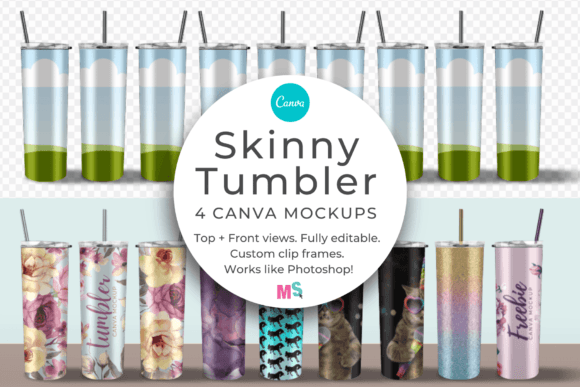
When I opened Skinny Tumbler Mockup for Canva, my first thought wasn’t “Oh, another tumbler template.” It was, “This actually feels like something I’d use on a real client project—especially for lifestyle brands or boutique gift shops.” The slim profile, subtle shadowing, and clean front-and-top layout give it an elevated, editorial quality. It doesn’t scream “craft fair,” but rather “curated handmade shop”—think ceramic mugs next to linen tea towels and monogrammed baby blankets. That matters because embroidery isn’t just about stitching; it’s about how your finished product lands visually in the real world.
A Real-World Test: Embroidering a Personalized Baby Gift Set
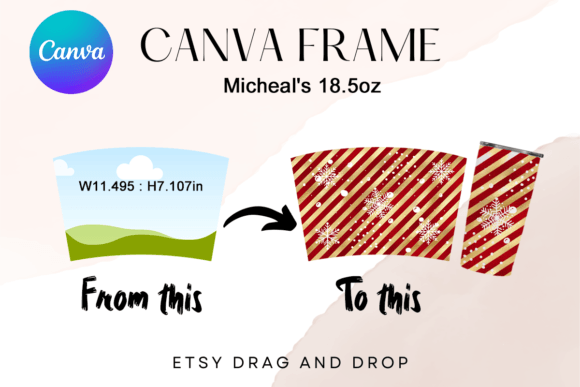
Last week, I used Skinny Tumbler Mockup for Canva to preview a custom embroidery design for a client’s baby shower gift set: a matching embroidered onesie, burp cloth, and silicone-tipped tumbler sleeve (yes—embroidered sleeves are trending). I layered my machine embroidery design onto the mockup’s front view to check proportions and spacing before digitizing. The narrow silhouette helped me spot an issue fast: my original lettering was too wide for the tumbler’s curve—and would’ve looked cramped or distorted when stitched on the actual curved surface. The top view also revealed how much of the design would be visible when the tumbler sat on a shelf or countertop. That kind of spatial awareness is gold for anyone selling personalized gifts or small shop merchandise.
Where It Shines—and Where You’ll Want to Pause
Skinny Tumbler Mockup for Canva works beautifully for projects where clarity, minimalism, and intentional scale matter. Think:
- Custom apparel like sweatshirt embroidery or tote bag design—especially for boutique branding or Etsy listings
- Personalized gifts like holiday embroidery or wedding gifts, where the tumbler acts as both product and prop
- Digital embroidery file previews for craft business owners who sell downloadable designs
- Printable mockups to show clients how their logo or monogram will look on real-life drinkware
But—and this is important—it’s not neutral. Its lean shape naturally favors streamlined designs: single-line motifs, delicate monograms, short phrases, or minimalist icons. If you’re planning dense fill stitch work, intricate applique design, or multi-color satin stitch borders, test how those translate visually *before* committing to fabric. On dark fabric or textured surfaces like terry cloth or fleece, fine details can vanish. And if your hoop size is under 4x4 inches, double-check that the design fits comfortably within the mockup’s visible area—no one wants to realize mid-stitch that half the motif disappears behind the tumbler’s curve.
How It Shapes Perception—Before a Single Stitch
Here’s what most reviewers skip: mockups don’t just display your work—they shape buyer trust. A polished, realistic preview like Skinny Tumbler Mockup for Canva tells customers, “This is made with care—not slapped on.” That quiet professionalism lifts perceived value, especially for handmade product listings on Etsy or small shop websites. I’ve seen sellers using low-res, stretched mockups lose sales simply because the design looked off-kilter or pixelated. This one avoids that trap. Its front-and-top views let buyers imagine holding the item, rotating it, even gifting it wrapped. That emotional resonance matters—especially for personalized gift buyers, who aren’t just purchasing thread and fabric. They’re buying intention, memory, and meaning.
Practical Designer Notes Before You Stitch
As someone who’s digitized hundreds of embroidery files, here’s what I always do before using any mockup in production:
- Test the design on scrap fabric first—especially if you’re working with stretchy fabric, thin fabric, or layered garments like reversible aprons or pillow covers
- Check thread color contrast on both light and dark fabric backgrounds using Canva’s built-in color tools
- Review stitch density—high-density areas may pucker on lightweight fabrics like baby embroidery cotton or kitchen towel linen
- Confirm hoop size compatibility and whether your design fits cleanly inside the visible area without clipping corners or curves
- Inspect small details like tiny lettering or decorative accents—they often disappear in running stitch or get lost on textured surfaces
- Try it in black and white mockups to assess visual weight and hierarchy
- Use proper stabilizer—especially for curved surfaces like caps or tumbler sleeves where fabric shifts easily
- Verify licensing terms before selling finished products or digital embroidery files commercially
Remember: Skinny Tumbler Mockup for Canva is a graphics tool—not a digitized embroidery file. It doesn’t include stitch data, thread charts, or machine-specific formats. Use it to visualize, refine, and present—but always cross-check with your actual embroidery software and physical test runs.
Final Thought: A Quiet Workhorse for Thoughtful Makers
This isn’t a flashy, trend-chasing asset. Skinny Tumbler Mockup for Canva is the kind of design tool that earns its place in your workflow quietly—by saving time, preventing misfires, and helping your handmade product feel intentional from sketch to shelf. Whether you’re an Etsy seller prepping holiday embroidery listings, a craft business owner building a cohesive brand, or a hobbyist making personalized gifts for loved ones, it supports decisions—not just decoration. Use it well, test thoroughly, and let the clarity speak for itself.