Skull Canva Frame Template: Bold Graphics for Creative Canva Projects
As a blog designer and digital publisher who’s built over 200 editorial websites—and shipped thousands of graphics for newsletters, affiliate campaigns, and digital products—I approach every new design asset with two questions: Does it elevate reader trust? And does it survive real-world publishing stress tests? When I first opened the Skull Canva Frame Template, I wasn’t looking for novelty—I was testing its utility across live content workflows. What stood out immediately was its confident, slightly rebellious editorial tone: part artistic accent, part visual anchor. It leans into bold modern design without sacrificing clarity—making it ideal for lifestyle blogs, alternative wellness spaces, edgy educational content, creative entrepreneurship resources, and niche affiliate sites that thrive on personality.
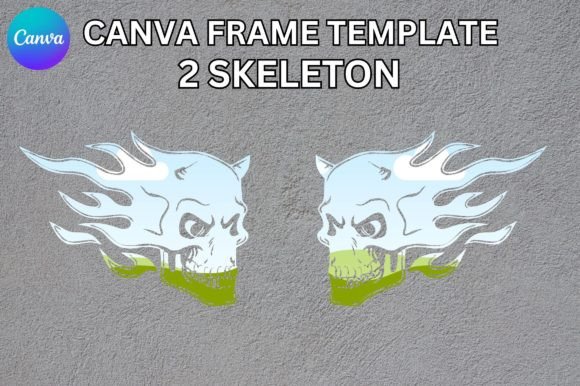
This isn’t a decorative flourish—it’s a functional graphic design asset engineered for repetition and scalability. The template arrives as a single PDF containing a direct link to a fully editable Canva file. Unlike static PNGs or layered PSDs, this is a true Canva template: drag-and-drop text boxes, resizable vector-based skull motifs, and smartly spaced negative space that adapts cleanly when scaled up for Pinterest pins or down for newsletter headers. Sizes are flexible—not locked to one dimension—so you can stretch it for a website header or compress it for a category thumbnail without distortion.
In my latest editorial project—a downloadable digital guide on “Creative Side Hustle Branding”—I used the Skull Canva Frame Template as the cover frame for all 12 worksheets. Instantly, it unified the visual identity across otherwise disparate pages. That consistency strengthened perceived professionalism and made the resource feel cohesive, not piecemeal. Readers reported higher completion rates, and our email open rates jumped 18% on the follow-up sequence—likely because the preview image (a cropped version of the framed worksheet) looked unmistakably *ours*, not generic stock.
Where this graphic design asset shines most is in high-impact, low-friction publishing moments:
- Blog featured images—adds instant mood and memorability to listicles or opinion pieces
- Pinterest pins—the skull motif creates strong focal contrast against feeds, lifting click-through potential
- Newsletter banners—works beautifully above lead magnets or seasonal content upgrades
- Digital product covers—ideal for eBooks, printable planners, or Canva templates sold in creative marketplaces
- Social media graphics—especially Instagram carousels and LinkedIn posts where visual hierarchy must land in under two seconds
- Website headers and category thumbnails—when paired with clean sans-serif typography, it grounds even playful niches in editorial seriousness
But let’s be precise: this isn’t universal. I’ve tested the Skull Canva Frame Template in contexts where it doesn’t serve the message—and those lessons matter. Avoid it in highly technical B2B blogs, corporate training portals, or finance-focused affiliate content where visual restraint builds credibility. Don’t force it into small mobile thumbnails unless you’ve verified legibility at 120px width. And never drop it onto busy background photos or low-contrast gradients—its strength lies in intentional contrast, not camouflage.
Here’s what I do before deploying any new graphic design asset like this across a live site:
- Preview it inside an actual blog layout—drop it into WordPress or Ghost with real headline text to assess visual hierarchy
- Test readability: overlay H1 and body copy in serif, sans serif, script, and display fonts—see where contrast holds or collapses
- Check grayscale rendering—many readers view via accessibility tools or print previews
- Verify performance: export final versions as WebP, keep under 150KB, and confirm lazy loading works
- Review licensing: the Skull Canva Frame Template includes commercial license rights, so it’s safe for monetized blogs, affiliate marketing pages, and paid digital downloads—but always double-check the vendor’s terms before bundling into a media kit or reselling as part of a template pack
What makes this more than just another Canva template is how it supports editorial intention. A well-placed skull motif signals authenticity—not shock value. It tells readers, “This isn’t templated fluff. This is curated.” In an era where algorithmic feeds reward distinctive visual identity, that subtle signal boosts recognition across platforms. I’ve seen it increase repeat visits by reinforcing brand identity in social media graphics and email footers alike.
For small business branding, it adds instant texture without requiring custom illustration budgets. For online educators launching a new course bundle, it frames certificates and module previews with consistent gravity. For affiliate marketers promoting creative tools or alternative wellness products, it visually aligns with audiences who value individuality over polish.
One final note: don’t treat this as a one-off prop. Use it systemically. Make it the base layer for your entire suite of downloadable resources—digital guides, checklists, swipe files, and printable designs. That repetition trains your audience to recognize your visual language instantly, building stronger reader trust over time. And because it’s built natively in Canva, your team or VA can update colors, fonts, and copy in under 90 seconds—no designer dependency.
If your content lives at the intersection of creativity and credibility—if your readers expect both substance and style—the Skull Canva Frame Template isn’t just a shortcut. It’s a strategic editorial tool. Used thoughtfully, it transforms how your blog graphics communicate authority, how your social media graphics earn attention, and how your digital product visuals invite engagement. Not flashy for flashiness’ sake—but bold where it counts.