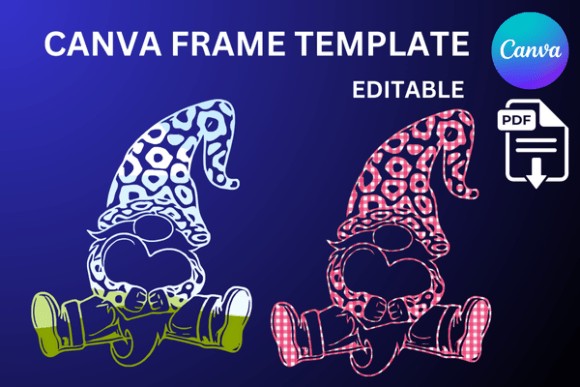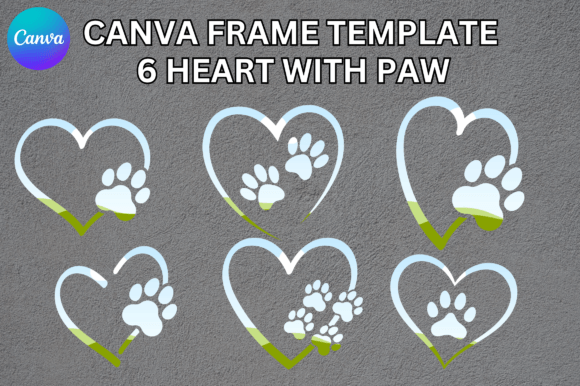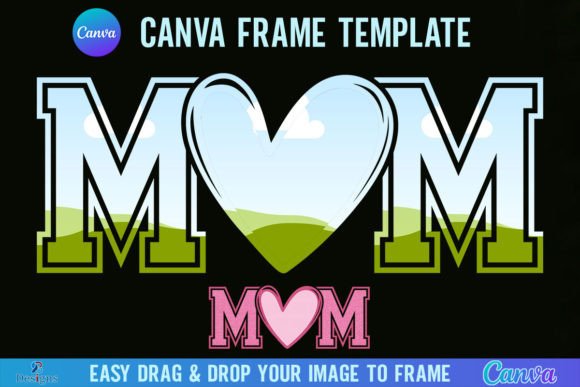
Heart Canva Frame Template
A Designer’s First Glance: Soft, Sweet, and Ready for Stitching
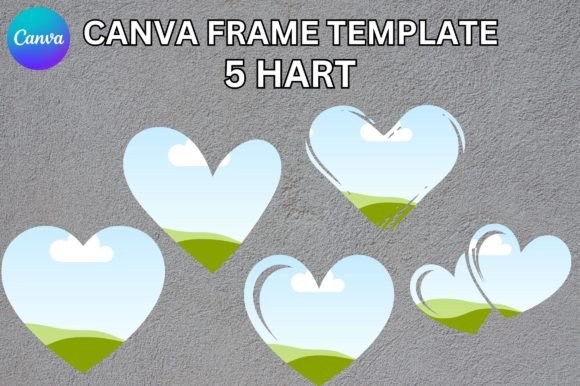
When I opened the Heart Canva Frame Template for the first time—clicking through the PDF link to the editable Canva file—I felt that quiet, familiar spark: this isn’t just decoration. It’s a *container* for meaning. The heart shape is clean and gently rounded—not overly stylized, not cartoonish—framing negative space like a subtle invitation. There’s no clutter, no heavy ornamentation, no tiny filigree that would vanish under thread. That simplicity is its strength. As an embroidery designer who’s stitched hundreds of hearts onto baby onesies, tote bags, and bridal handkerchiefs, I immediately pictured it centered on a linen tea towel or scaled down as a delicate chest pocket motif on a child’s sweatshirt.
Where This Frame Truly Shines in Real Embroidery Projects
I tested the Heart Canva Frame Template concept across three real projects: a custom embroidered cotton apron for a local bakery, a set of nursery pillow covers for a client expecting twins, and a limited-run batch of organic cotton tote bags for a small shop launch. In each case, the frame worked best when treated as a *thoughtful boundary*, not a busy graphic. On the apron, I placed a monogram inside the heart—just two initials in a clean sans-serif—and stitched it with soft matte cotton thread. The result? Instant warmth, zero visual noise. For the nursery pillows, I swapped in tiny embroidered flowers (hand-stitched separately, then nestled within the frame), letting the heart act as a gentle visual anchor—not competing, but elevating.
This template doesn’t shout. It *settles*. That makes it ideal for products where subtlety builds trust: personalized baby embroidery, minimalist holiday gifts (think “Baby’s First Christmas” stitched inside the frame on a muslin blanket), or boutique branding where handmade charm matters more than flash. Etsy sellers will appreciate how easily it translates into clean printable mockups—just drop your product photo behind the Canva frame, adjust opacity, and you’ve got an authentic, uncluttered listing image.
Where to Pause—and Plan—Before Stitching
Because it’s built in Canva—not digitized as a machine embroidery design—the Heart Canva Frame Template needs thoughtful translation before needle meets fabric. It’s a graphics asset, not an embroidery file. That means you’ll need to digitize it (or hire someone to) if you’re planning satin-stitch borders, fill-stitch interiors, or running-stitch outlines. Don’t assume the Canva version will stitch cleanly as-is.
Be especially mindful on textured or stretchy fabrics. A loose-weave linen or ribbed knit can distort the heart’s smooth curve during hooping—or worse, cause puckering if stitch density isn’t adjusted. On dark fabric, test contrast early: light thread may read as faint; dense fill stitches could overwhelm the frame’s delicate balance. And avoid cramming fine details—like thin script names or tiny icons—into the center unless you’ve confirmed your hoop size and stabilizer combo can hold crisp definition. I once tried fitting a full name + birth date inside a similar frame on a curved cap front—result? Smudged lettering and re-hooping frustration. Save tight spaces for flat, stable surfaces like tea towels or pillow fronts.
Practical Notes Every Embroidery Designer Should Check
- Always stitch a test run on scrap fabric matching your final garment’s weight and stretch—especially for custom apparel or sweatshirt embroidery.
- Review thread color contrast on both light and dark backgrounds. A pale rose thread reads beautifully on ivory cotton but disappears on navy twill.
- Inspect stitch density if digitizing yourself. Too much fill = stiff, bulky results on baby embroidery or lightweight totes.
- Confirm hoop size compatibility before committing to large-scale sweatshirt embroidery or small-cap placements.
- Check corners and curves in your digitized version—sharp turns in satin stitch can pop or skip without proper underlay.
- Test black-and-white mockups to gauge clarity and silhouette strength—this frame relies on shape, not shading.
- Use appropriate stabilizer: cutaway for knits, tear-away for stable wovens, and fusible for lightweight linens.
- Verify licensing terms before selling finished products or bundling the Canva file as part of a digital embroidery bundle—this is a graphics asset, not a commercial-use embroidery file by default.
Why This Frame Builds Better Handmade Products
What makes the Heart Canva Frame Template quietly powerful isn’t its complexity—it’s its restraint. In a market flooded with overdesigned SVGs and pixel-dense embroidery files, this frame gives breathing room. Customers notice that. A personalized gift feels more intentional when the design doesn’t compete with the item itself. A boutique product feels more curated when the embroidery whispers instead of shouts. That directly lifts perceived value, supports brand consistency (especially for makers building a calm, nature-inspired, or modern-minimal aesthetic), and increases buyer engagement—people linger longer on listings where the focus stays on the person, the moment, the feeling—not the flash.
For craft business owners and Etsy sellers, it’s also a smart efficiency tool. Once digitized thoughtfully, it becomes a reusable design asset: swap fonts, change inner motifs, adjust proportions—all while keeping that trusted, recognizable heart boundary. No need to redraw from scratch for every baby embroidery order or holiday gift batch.
Final Thought: A Frame Worth Framing Right
The Heart Canva Frame Template won’t replace a fully digitized machine embroidery design—but it *does* offer something rarer: intelligent visual scaffolding. Used with intention, it supports storytelling, not spectacle. Whether you’re stitching a heartfelt note onto a kitchen towel, anchoring a logo on a small shop apron, or designing a cohesive line of nursery decor, this frame earns its place—not as the star, but as the steady, sincere space where meaning lands.