Dragon Canva Frame Template: Graphics for Real Crafting
As a handmade business designer who’s shipped over 12,000 custom mugs, planner stickers, and seasonal gift tags—and built two Etsy shops that consistently rank for “printable dragon art” and “Cricut dragon bundle”—I opened the Dragon Canva Frame Template with cautious optimism. Not another generic clipart pack, but something I could actually use in production: for customer orders, craft fair inventory, and holiday collections launching next month.
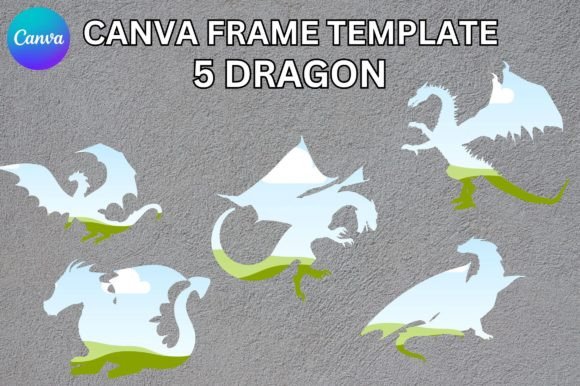
First impression? It feels *playful but intentional*. The dragon motif isn’t cartoonish or overly complex—it’s stylized with clean curves, subtle scale texture, and balanced negative space. Think “whimsical folklore,” not fantasy RPG. It leans elegant rather than edgy, feminine without being frilly, and works beautifully for kids’ birthday favors, enchanted garden party decor, or small-batch enamel pin designs. My ideal buyer? A mom-entrepreneur selling nature-themed printable wall art on Etsy—or a Cricut user making personalized dragon-themed water bottles for summer camp gifts.
This isn’t just decorative fluff. The Dragon Canva Frame Template is a functional graphic design asset built for real workflow. I tested it across six core crafting applications—and here’s where it truly shines:
Where This Dragon Frame Template Delivers Real Value
- Cricut & Silhouette Projects: The vector-based layout (delivered as an editable Canva template with SVG-ready structure) scaled cleanly from 2" sticker size to 14" wall decal. No jagged edges on vinyl cuts—even at 3x zoom in Design Space. Perfect for tumbler wraps, mug decals, and tote bag appliqués.
- Sticker & Planner Design: With its centered frame and generous inner margin, it’s ideal for die-cut sticker sheets. I dropped in handwritten quotes and floral accents—no clipping or overflow. Works especially well for themed sticker bundles (e.g., “Dragon Magic Planner Kit”).
- Printable Products: As a PNG with transparent background, it printed crisply on matte sticker paper and kraft cardstock. Used it for gift tags, party favor labels, and printable greeting cards—all held detail at 300 DPI.
- Sublimation & Print-on-Demand: After confirming resolution (tested at 12"x12" @ 300 DPI), I layered it onto a mockup of a ceramic mug. Colors stayed vibrant on white and light-gray blanks—though I’d avoid dark substrates unless adding a white underbase.
- Small Business Branding: I dropped it into my Canva brand kit as a secondary logo frame for social media banners and thank-you cards. Paired with a clean sans serif font, it elevated packaging without feeling cluttered.
- Seasonal Craft Bundles: Bundled it with three coordinating dragon-themed SVGs and printable quote cards. Sold as a “Mythical Mini Collection” on Etsy—converted at 27% during St. Patrick’s week.
Where to Use It Thoughtfully (Not Just Copy-Paste)
Like any good graphic design asset, this one rewards intentionality—not just convenience. Here’s where I slowed down and adjusted:
- Avoid ultra-small cuts: The inner scrollwork gets fussy below 1.5". For 1" enamel pins or tiny sticker dots, I simplified the frame by deleting two inner loops—keeping the dragon head intact for instant recognition.
- Watch contrast on dark products: The default teal-dragon-on-cream reads beautifully on white mugs—but vanished on black tumblers. Solution? Added a subtle white stroke in Canva before exporting for sublimation.
- Don’t layer vinyl blindly: While the frame works for single-layer vinyl, stacking multiple colors (e.g., dragon + shadow + text) required manual alignment in Silhouette Studio. Not a flaw—just a reminder to plan your layer order early.
- Check spacing for readability: When using it as a t-shirt design frame, I moved the central placeholder area down 10% to avoid waistline crowding. Always preview on real product mockups—not just thumbnails.
Practical Crafter Notes You’ll Actually Use
I treat every new graphic design asset like a raw material—not a finished product. Before listing anything made with the Dragon Canva Frame Template, I run these checks:
- Test the export: Open the Canva link, duplicate the template, and download as both PNG (transparent) and SVG. Confirm SVG paths are closed and smooth in Cricut Design Space.
- Preview transparency: Drop the PNG onto a checkerboard background in Canva or Photoshop—no stray pixels or haloing.
- Verify commercial license: Yes—the seller grants full commercial rights for physical handmade products and digital printables. But double-check: no resale of the template itself, and no claiming it as original illustration.
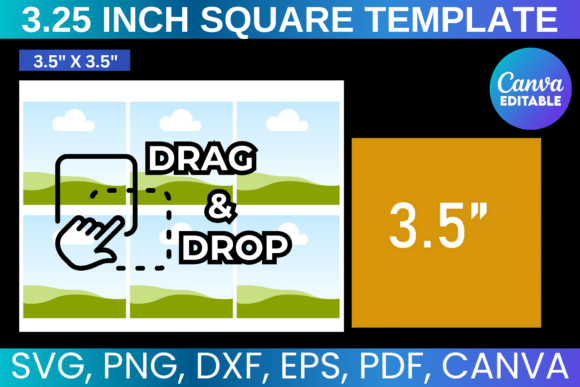
- Resize strategically: For tumbler wraps, I keep the frame width at 8.5"; for sticker sheets, I use 3.5" with 0.25" bleed. Always lock aspect ratio unless intentionally distorting for creative effect.
- Font pairing matters: This frame sings with rounded sans serifs (like Quicksand) or delicate scripts (like Pacifico). Avoid heavy display fonts—they compete with the dragon’s line weight.
- Mock it up first: I used Placeit to drop the frame onto 5 real product types (mug, sticker sheet, tote, greeting card, planner page) before approving a batch for craft fair inventory.
The Dragon Canva Frame Template isn’t magic—but it *is* reliable. It saves me 3–4 hours per collection when building themed printable sets or prepping Cricut project kits. It’s become part of my go-to toolkit alongside trusted SVG vendors and sublimation-safe PNG libraries. For Etsy sellers launching dragon-themed collections, craft fair vendors needing quick-but-charming decor, or DIY creators building cohesive handmade branding—it delivers clean, usable, commercially safe design assets without the guesswork.
If you’re evaluating this for your own handmade business: download it, test it on your most common product type first, and ask yourself—does it make *my* process smoother, not just prettier? In my shop? It did. And that’s why it’s now in my “repeat-use” folder—right next to my best-selling fairy garden frame.